
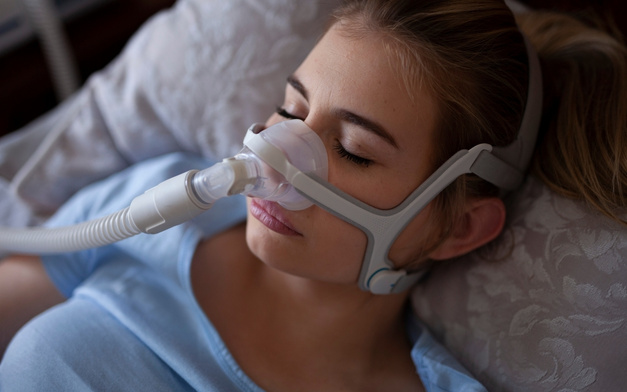
Sleep apnea is more than just a sleep disorder. It impacts overall well-being, including mental health. People with untreated sleep apnea often struggle with fatigue, mood swings, and stress. This blog explores the connection between sleep apnea and mental health, shedding light on how it affects day-to-day life. Understanding this relationship can help individuals prioritize their physical and emotional wellness.
What is Sleep Apnea?
Sleep apnea is a condition where breathing stops and starts repeatedly during sleep. This interruption affects the oxygen supply to the brain and body. Common types include:
- Obstructive Sleep Apnea (OSA): Caused by blocked airways due to relaxed throat muscles.
- Central Sleep Apnea: Occurs when the brain doesn’t send proper signals to control breathing.
- Complex Sleep Apnea Syndrome: A combination of both obstructive and central sleep apnea.
Symptoms of Sleep Apnea
- Loud snoring
- Gasping or choking during sleep
- Excessive daytime sleepiness
- Difficulty concentrating
- Irritability or mood changes
How Sleep Apnea Affects Mental Health?
The connection between these two phenomena lies in how disrupted sleep patterns impact brain function. Here are the major ways this condition influences emotional well-being:
Increased Risk of Depression and Anxiety
People with sleep apnea in Whitehall often feel tired and irritable. Chronic fatigue contributes to feelings of sadness or hopelessness. Studies show a significant overlap between sleep apnea and mental health conditions like depression and anxiety.
- Interrupted sleep reduces serotonin levels, which affects mood regulation.
- Lack of rest leads to heightened stress levels, increasing anxiety symptoms.
Cognitive Impairment
Sleep apnea affects memory, focus, and decision-making. Poor sleep reduces cognitive abilities, making it harder to handle daily tasks. This can contribute to:
- Forgetfulness
- Reduced problem-solving skills
- Lower work productivity
Mood Swings and Emotional Imbalance
Frequent sleep interruptions disrupt emotional regulation. Individuals may:
- Feel overwhelmed easily
- Experience sudden irritability or frustration
- Struggle with emotional resilience
Sleep Apnea’s Role in Stress Management
The constant exhaustion caused by sleep apnea makes managing stress difficult. People may:
- Feel less equipped to handle life’s challenges
- Experience heightened emotional responses to minor setbacks
For individuals dealing with both these challenges, seeking professional help is vital. Addressing sleep apnea can significantly improve mental clarity and emotional well-being.
Treating Sleep Apnea to Improve Mental Health
Managing sleep apnea is key to better mental health. Treatment options include:
CPAP Therapy
Continuous Positive Airway Pressure (CPAP) machines keep airways open during sleep. This leads to:
- Better oxygen flow
- Fewer sleep interruptions
- Improved mood and cognitive function
Lifestyle Changes
Certain habits can reduce symptoms of sleep apnea, such as:
- Maintaining a healthy weight
- Avoiding alcohol and sedatives before bedtime
- Sleeping on your side rather than your back
Seeking Professional Guidance
Consulting a dental or medical professional for customized treatment is crucial. They may recommend oral appliances or other therapies tailored to individual needs.
Mental Health Support for Sleep Apnea Patients
Addressing the connection between sleep apnea and mental health also involves focusing on emotional well-being. Consider these approaches:
- Therapy: Talking to a counselor or therapist can help manage anxiety and depression.
- Mindfulness Practices: Techniques like meditation and deep breathing improve stress management.
- Support Groups: Sharing experiences with others can provide a sense of community.
Small Changes, Big Impact
Improving sleep quality benefits both mental and physical health. Here are the steps to start:
- Establish a consistent sleep schedule
- Create a relaxing bedtime routine
- Limit screen time before bed
The connection between sleep apnea and mental health is undeniable. Untreated sleep apnea not only disrupts physical health but also takes a toll on emotional well-being. For residents in Whitehall, addressing sleep apnea can lead to significant improvements in mental clarity, mood, and overall quality of life. Don’t let sleep apnea affect your mental health—take steps to reclaim restful nights and brighter days.