
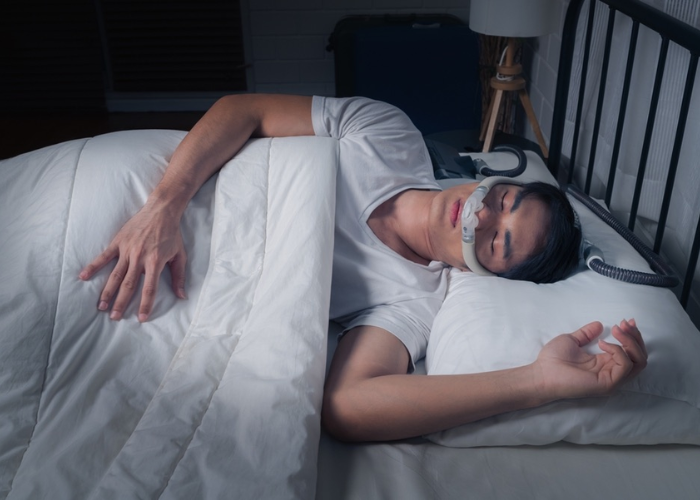
If you’ve ever found yourself waking up gasping for air, snoring louder than ever, or feeling exhausted even after a full night’s rest, you’re not alone. Sleep apnea is more than just an inconvenience—it’s a chronic condition that can get worse significantly over time if left unchecked. But what causes this downward spiral? Let’s read it out.
First, What’s Sleep Apnea?
It’s a sleep disorder where breathing repeatedly stops and starts during sleep. The most common form, obstructive sleep apnea (OSA), happens when the muscles in the throat relax too much and block airflow.
Another form, central sleep apnea, is caused by the brain not sending proper signals to the muscles that control breathing. Symptoms include:
- Loud, chronic snoring.
- Morning headaches.
- Gasping or choking during sleep.
- Daytime fatigue.
- Poor concentration.
Why Does It Get Worse With Time?
Here’s the truth: sleep apnea rarely stays the same. Several factors can contribute to its gradual progression, and knowing them can help you stay ahead.
1. Weight Gain
Extra weight around the neck and chest can place pressure on the airway, making it more prone to collapse during sleep. Even a small increase in body weight can intensify symptoms.
2. Aging
As we age, muscle tone naturally decreases—including the muscles that support the airway. This increases the likelihood of airway obstruction during sleep.
3. Neck and Throat Changes
Changes in the anatomy of your throat or nasal passages—like enlarged tonsils or deviated septum—can narrow the airway, worsening the condition over time.
4. Alcohol and Sedatives
These substances relax throat muscles, which can intensify apneic episodes and make them longer and more frequent.
5. Poor Sleep Hygiene
Irregular sleep schedules and frequent sleep disruptions can disturb the natural rhythm of your breathing, compounding the effects of sleep apnea.
According to the American Academy of Sleep Medicine, approximately 25 million adults in the U.S. suffer from obstructive sleep apnea—and 80% of moderate to severe cases go undiagnosed. That means millions are getting worse without even knowing why.
Signs Your Sleep Apnea Is Getting Serious
Not sure if your sleep apnea is progressing? Watch out for these red flags:
- You’re waking up more frequently gasping or choking.
- Your partner notices louder or more irregular snoring.
- You feel more fatigued during the day than you used to.
- You’ve gained weight or developed new health conditions like high blood pressure.
- You wake up with chest pain or experience mood swings regularly.
Ignoring these signs can be dangerous, even life-threatening over time.
Here’s What You Can Do To Stop The Slide
While sleep apnea can worsen, the good news is—you can take steps to manage it.
Lifestyle Changes
- Lose excess weight to reduce airway pressure.
- Exercise regularly to strengthen respiratory muscles.
- Avoid alcohol and sedatives before bed.
- Sleep on your side to keep the airway open.
Seek Medical Help
A sleep study can diagnose the severity of your condition. Treatment options may include:
- CPAP (Continuous Positive Airway Pressure) machines.
- Oral appliances designed to keep the airway open.
- Surgery, in severe cases where structural issues need correction.
Don’t Let Sleep Apnea Control You!
Sleep apnea isn’t just about snoring—it’s a progressive condition that can silently wreak havoc on your health. But with awareness, lifestyle changes, and the right medical support, you can take back control of your sleep and your life.
If you or a loved one is showing signs of worsening sleep apnea, don’t wait—talk to our doctor today and breathe easier tonight.