
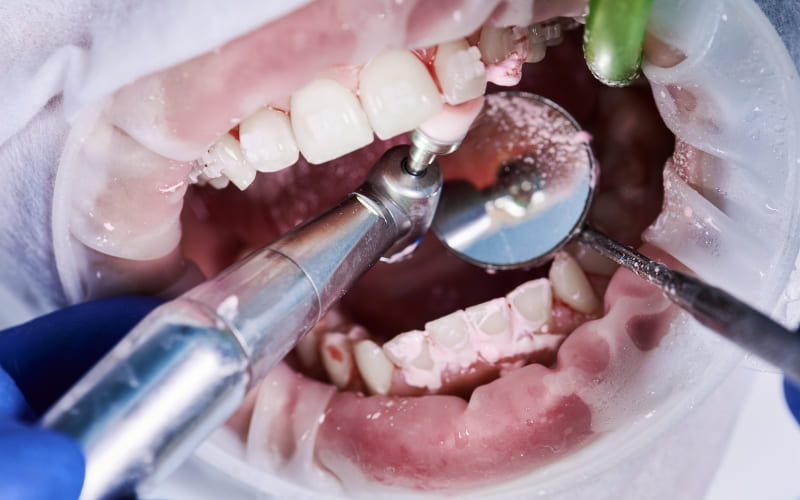
Dental cleaning, an essential part of oral hygiene, involves removing plaque and tartar buildup to prevent gum disease and tooth decay. Before certain dental procedures, antibiotics may be prescribed to prevent bacterial infections, especially for individuals with certain heart conditions. However, the necessity of antibiotics before dental cleaning has sparked controversy among healthcare professionals. While some argue for their importance in preventing infections, others question their routine use, citing concerns about antibiotic resistance and potential side effects. This debate underscores the need for a nuanced understanding of when antibiotics are truly warranted in dental care.
Understanding Antibiotics in Dental Care
Antibiotics play a role in dental care, particularly before procedures to prevent bacterial infections. However, their routine use before dental cleaning has sparked debate. While some advocate for their necessity, citing the prevention of infections, others raise concerns about antibiotic resistance and side effects. This controversy highlights the importance of a nuanced approach to antibiotic usage in dentistry. It calls for careful consideration of individual patient factors and the potential risks versus benefits of antibiotic prophylaxis. Ultimately, understanding the role of antibiotics in dental care involves balancing infection prevention with minimizing antibiotic overuse.
Reasons for Taking Antibiotics Before Dental Cleaning
1. Prevention of Infections: Antibiotics before dental cleaning are prescribed to prevent bacterial infections, particularly in individuals with certain pre-existing conditions such as heart valve issues or compromised immune systems. This precautionary measure aims to reduce the risk of bacteria entering the bloodstream during the procedure.
2. Protecting Vulnerable Individuals: Patients with specific heart conditions, artificial joints, or a history of infective endocarditis may require antibiotics before dental cleaning. This safeguards them from potential complications arising from bacterial dissemination, which could lead to serious health issues.
3. Minimizing Post-Procedural Risks: For individuals prone to infections or those undergoing invasive dental treatments, antibiotics before dental cleaning serve as a proactive step to minimize the risk of post-procedural complications, ensuring a smoother recovery process.
4. Following Professional Guidelines: Dental professionals may adhere to established guidelines recommending antibiotic prophylaxis for certain patients undergoing dental cleaning. These guidelines are designed to optimize patient safety and reduce the likelihood of adverse outcomes.
5. Patient-Specific Considerations: Factors such as medical history, overall health, and the nature of the dental procedure influence the decision to prescribe antibiotics before dental cleaning. Tailoring treatment to individual needs helps mitigate potential risks and ensures optimal patient care.
Situations Where Antibiotics Are Not Necessary
1. Routine Dental Cleanings: In most cases, antibiotics before dental cleaning are unnecessary for routine prophylactic purposes. Routine cleanings typically do not involve invasive procedures that pose a significant risk of bacterial dissemination into the bloodstream.
2. Healthy Individuals: Healthy individuals without underlying medical conditions or risk factors typically do not require antibiotics before dental cleaning. Their immune systems are generally capable of managing any potential bacteria introduced during the procedure.
3. Non-Invasive Procedures: For non-invasive dental procedures such as regular check-ups, examinations, or simple cleanings, antibiotics are usually not needed. These procedures involve minimal manipulation of oral tissues and carry a low risk of bacterial transmission.
4. Low-Risk Patients: Patients with no history of infective endocarditis, artificial joint replacements, or other predisposing conditions may not benefit from antibiotics before dental cleaning. For low-risk individuals, the potential risks of antibiotic use may outweigh the benefits.
5. Adherence to Evidence-Based Practices: Evidence-based guidelines discourage the routine use of antibiotics before dental cleaning in situations where the risk of infection is low. Following these guidelines promotes judicious antibiotic use and helps prevent unnecessary exposure to antibiotics and associated risks such as antibiotic resistance.
Risks of Taking Antibiotics
1. Antibiotic Resistance: Overuse or misuse of antibiotics can lead to the development of antibiotic-resistant bacteria. This resistance renders antibiotics less effective in treating bacterial infections, posing a significant public health concern.
2. Disruption of Gut Flora: Antibiotics not only target harmful bacteria but can also disrupt the balance of beneficial bacteria in the gut. This imbalance may result in gastrointestinal symptoms such as diarrhea, bloating, or yeast infections.
3. Allergic Reactions: Some individuals may experience allergic reactions to antibiotics, ranging from mild rashes to severe anaphylaxis. These reactions can be life-threatening and necessitate rapid medical intervention.
4. Secondary Infections: Antibiotics can suppress the growth of beneficial bacteria in the body, increasing the risk of secondary infections such as Clostridium difficile (C. difficile) infection can lead to severe diarrhea and colon inflammation.
5. Drug Interactions: Antibiotics may interact with other medications, reducing their effectiveness or causing adverse reactions. Healthcare providers must consider potential drug interactions before prescribing antibiotics, especially in patients taking multiple medications.
Final Words!
In conclusion, the debate surrounding antibiotics before dental cleaning underscores the significance of individualized treatment decisions in dental care. While antibiotics may be necessary for certain high-risk patients, their routine use in all cases is contentious due to associated risks. Moving forward, emphasis should be placed on evidence-based practices and guidelines to optimize patient safety and minimize antibiotic overuse. Whitehall Dentist encourages a collaborative approach between dental professionals and patients to make informed treatment decisions tailored to individual needs. As we navigate the future of antibiotic prophylaxis in dental care, let’s prioritize judicious antibiotic use for better patient outcomes and public health. Schedule your personalized consultation today!