
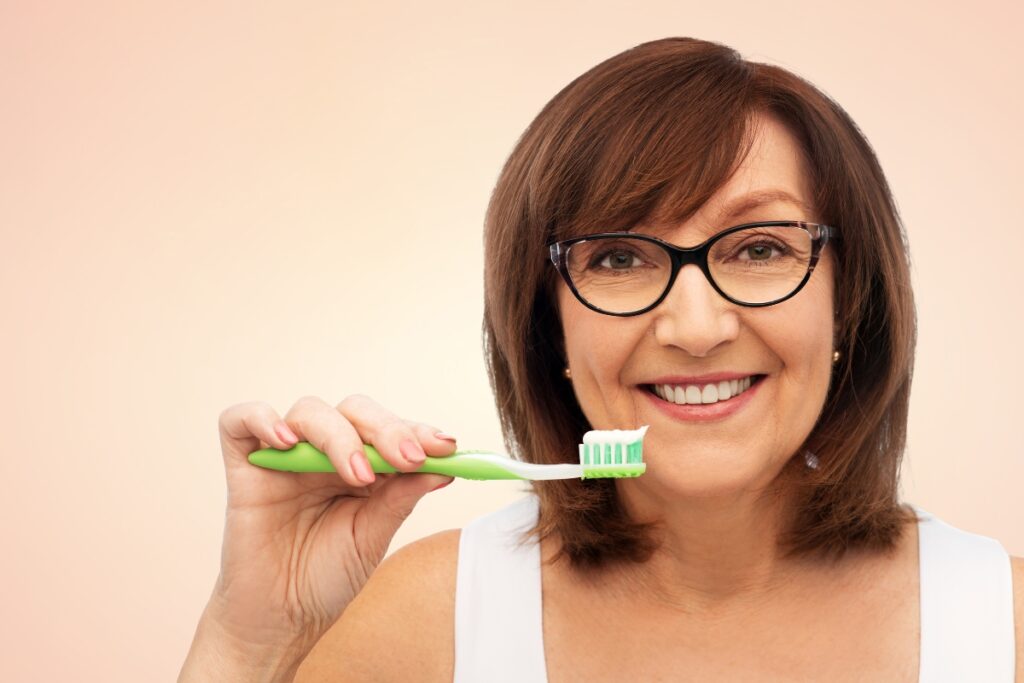
Caring for your oral health becomes even more crucial as you age. Seniors experience their own unique dental issues, such as gum recession, dry mouth, and heightened risk of developing cavities. Oral hygiene not only keeps your smile intact but also contributes to overall health. Research indicates that inadequate oral care in older adults can lead to heart disease, diabetes complications, and even respiratory infections. Following a good oral care routine can help avoid these complications and let seniors enjoy a confident, healthy smile.
Why Oral Hygiene is Important for Seniors
Aging alters the biome of your mouth. Tooth enamel becomes thinner, gums can recede, and saliva production slows down. These conditions make teeth more susceptible to decay and gum disease. Seniors who follow routine oral care practices can minimize the risk of tooth loss and pain. Regular dental check-ups by a Whitehall dentist can help detect early warning signs of oral issues that could otherwise go undetected.
For older adults, maintaining oral hygiene can also enhance nutrition. Tooth loss or pain can influence how they chew food, resulting in dietary restrictions. A strong, healthy bite allows for a balanced diet, supporting energy levels, immune health, and overall well-being.
Daily Habits That Protect Your Smile
Regular care is the basis of senior oral care. The following are the practices favored by Lakeshore Family Dental Care:
- Brush two times a day using a soft-bristle toothbrush. Brush in gentle circles to cover all tooth surfaces.
- Use fluoridated toothpaste. Fluoride protects enamel and prevents cavities.
- Floss every day. Flossing kills plaque that brushes can’t reach, lowering gum disease risk.
- Drink 12 to 16 cups of water every day. Dry mouth is prevalent among older adults, raising cavity risk. Water and sugar-free gum may induce saliva.
- Restrict sugary and acidic foods. They can speed up tooth decay and erosion of enamel.
These routines can be simple, but they have a strong impact on oral health in the long run. Seniors who make them part of their daily routine experience fewer dental problems and pain.
Additional Steps for Healthy Aging
Other than routine brushing and flossing, seniors can take additional steps to maintain teeth and gum health:
- Schedule visits to the dentist every 6 months to a year. Preventive checkups enable dentists to detect early decay, signs of oral cancer, or gum disease.
- Have professional cleanings every six months. Despite good home care, tartar can accumulate and needs to be removed by a professional.
- Use oral rinses. Antimicrobial or fluoride mouth rinses can add protection, particularly for cavity-prone individuals.
Maintain Oral Comfort and Confidence
Oral care in older adults is not only about health—it’s about comfort and confidence. A pain-free, clean mouth inspires older adults to enjoy socializing, eat, and live a better overall quality of life. Good habits and regular professional care can keep teeth healthy for decades.
For people in need of trusted care, Lakeshore Family Dental Care offers tailored suggestions, comprehensive examinations, and prophylactic measures. Consulting us guarantees that your dental hygiene practice is suited to your needs.