
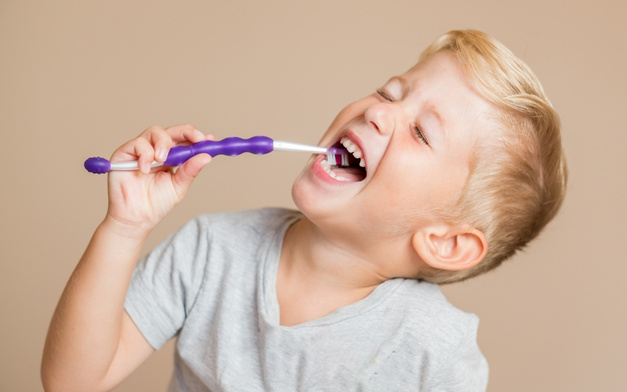
All parents want their children to have a healthy, bright smile—but at what age should kids begin using toothpaste? Is baby toothpaste safe for infants? How much toothpaste should toddlers apply? These are all the typical questions, and having the right answers can prevent cavities and establish strong teeth from the start.
Toothpaste is an important part of oral health, but starting it at the right time and in the right manner—is crucial. Too soon, and children may ingest too much fluoride; too late, and their teeth may remain vulnerable. This blog demystifies age-based guidelines so you can feel confident beginning your child’s brushing journey.
Infants (0-12 Months) – Cleaning Without Toothpaste
Even before baby teeth erupt, oral care is essential. Bacteria may accumulate on gums and impact future teeth. Here’s how to clean your baby’s mouth:
- Wipe gums with a damp, clean washcloth after feedings.
- Begin brushing once the first tooth appears (about six months).
- Brush with a soft-bristled baby toothbrush and water only—no toothpaste required.
At this age, it’s all about maintaining the mouth’s cleanliness and making your baby accustomed to oral hygiene.
Toddlers (12-36 Months) – Introduction of Fluoride Toothpaste
When more teeth have come in, it’s fluoride toothpaste time—but only a tiny bit at first. Kid’s dentistry suggests introducing fluoride early to develop strong enamel and avoid cavities.
Important Rules:
- Apply a rice-sized amount of fluoride toothpaste.
- Brush twice a day with a soft-bristled brush.
- Make sure to monitor brushing so that they don’t swallow the toothpaste.
- Do not rinse directly after to allow fluoride to perform its magic.
Preschoolers (3-6 Years) – Teaching Them Good Brushing Habits
Since your child is becoming more independent now, it is time to teach proper technique and consistency.
What Changes at This Age?
- Use more toothpaste to a pea-sized amount.
- Teach your children to spit toothpaste out after brushing.
- Let them brush alone, but supervise.
To make brushing enjoyable, have them choose their toothbrush or make it a game.
School-Age Children (6+ Years) – Independent Brushing
By this stage, your children must brush on their own, but reminders and the occasional check still come in handy.
What to Emphasize?
- Encourage twice-daily brushing with fluoride toothpaste.
- Teach flossing to remove food between teeth.
- Encourage rinsing with water after brushing.
- Schedule regular dental checkups to catch any early issues.
At this stage, kids develop habits that stick with them for life. Continue making dental care a priority.
What Are the Common Mistakes to Avoid?
Even with the best intentions, parents sometimes make small mistakes in their child’s oral care routine. Here’s what to watch out for:
- Your child does not need too much toothpaste. Stick to the recommended amount.
- Ensure your child does not consume the toothpaste. Fluoride is a good element for their teeth, but it is not for eating.
- Sometimes, children do not want to brush when the toothpaste is not in their favorable favor. As a parent, you should be cautious of this.
Starting brushing with the right amount of and right kind of toothpaste is essential for a strong oral foundation for your kid. Remember, habits formed early ensure a long-term oral health. Encourage your child to brush everyday and incorporate fun elements in your daily oral care routine. The idea is to develop a lifetime love affair with oral hygiene—one smile at a time!