
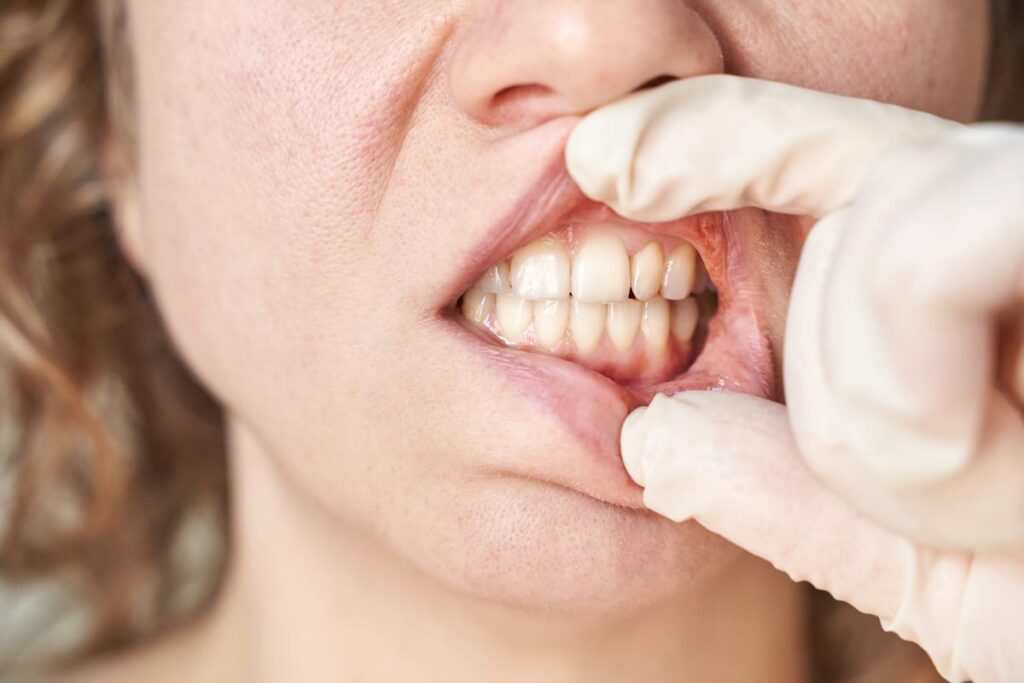
Starting a new dental treatment can feel overwhelming. That is completely understandable. If you are searching for answers to the 5 questions new patients ask before starting periodontal care in Whitehall, you have come to the right place. At Lakeshore Family Dental Care, Dr. Ryan Brunworth and our team believe informed patients make confident decisions. This article walks you through the most common concerns we hear every week.
What Exactly Is Periodontal Care and Do I Really Need It?
Periodontal care refers to treatment focused on the health of your gums and the bone supporting your teeth. It goes beyond a standard cleaning. Many patients do not realize gum disease is extremely common and very treatable when caught early.
Dr. Brunworth recommends periodontal care when signs of gum disease appear. These signs include bleeding gums, persistent bad breath, receding gums, or pockets forming between teeth and gums. Left untreated, gum disease can lead to tooth loss.
Here is what periodontal care at our Whitehall practice typically addresses:
- Gingivitis — the earliest and most reversible stage of gum disease
- Periodontitis — a more advanced infection affecting bone and tissue
- Gum recession that exposes tooth roots
- Stubborn tartar buildup below the gumline
If your dentist recommends periodontal treatment, it means they want to protect your smile long-term. It is not a sign that something is unfixable. Early intervention makes a significant difference.
What Does the Periodontal Care Process Look Like in Whitehall?
This is one of the most common questions new patients ask before starting periodontal care in Whitehall. People want to know what they are signing up for. The process is straightforward and designed to be as comfortable as possible.
Most periodontal treatment begins with a comprehensive exam. Dr. Brunworth will measure the depth of your gum pockets and take X-rays. This helps determine the severity of any infection or bone loss.
The core treatment is called scaling and root planing. Here is a simple breakdown of what to expect:
- Your gums are gently numbed with a local anesthetic.
- Our hygienist removes tartar and bacteria from below the gumline.
- Tooth roots are smoothed to discourage future bacterial buildup.
- Follow-up appointments monitor your healing progress.
Some patients require only one or two visits. Others with more advanced disease may need additional sessions. Dr. Brunworth will give you a clear timeline during your consultation.
Will Periodontal Treatment Hurt?
Fear of discomfort is one of the biggest reasons patients delay care. We want to address this honestly. Scaling and root planing does involve working below the gumline, but the area is fully numbed beforehand.
Most patients describe the procedure as pressure rather than pain. After treatment, some tenderness and sensitivity are normal for a few days. Over-the-counter pain relief is usually all that is needed.
Our team at Lakeshore Family Dental Care takes patient comfort seriously. We work at your pace and check in with you throughout the appointment. If anxiety is a concern, please tell us before your visit so we can discuss your options.
Healing typically progresses well within one to two weeks. Many patients are pleasantly surprised by how manageable the recovery is.
How Does Periodontal Care Connect to My Overall Dental Health?
Gum health is directly tied to the health of your entire mouth. Healthy gums support your teeth and prevent bone loss. Without healthy gums, even beautiful restorations become unstable over time.
Patients interested in Cosmetic Dentistry Whitehall should know that periodontal health is often the first step. No cosmetic work should proceed on a foundation of untreated gum disease. Getting your gums healthy first protects your investment in your smile.
Similarly, patients exploring Implant Dentistry Whitehall must have healthy gum tissue and adequate bone density. Periodontal disease can compromise implant success. Treating gum disease beforehand gives implants the best chance of lasting a lifetime.
Periodontal health also has well-documented links to overall systemic health. Research connects gum disease to conditions like heart disease and diabetes. Taking care of your gums is truly taking care of your whole body.
What Happens After Periodontal Treatment Is Complete?
Many new patients want to know what ongoing care looks like. This is an excellent question to ask. Periodontal care does not end after scaling and root planing.
Dr. Brunworth typically recommends a periodontal maintenance schedule. This usually means coming in every three to four months instead of every six months. These visits monitor your gum health and remove new buildup before it becomes a problem.
Here are key habits that support your results at home:
- Brush gently twice daily using a soft-bristled toothbrush
- Floss once daily, paying special attention to the gumline
- Use an antibacterial rinse if Dr. Brunworth recommends one
- Avoid tobacco products, which significantly worsen gum disease
- Stay hydrated to support saliva production and oral health
Consistency is what preserves your results. Patients who follow their maintenance schedule and practice good home care rarely see their gum disease return to its previous severity. The goal is a stable, healthy smile for the long haul.
Starting Your Periodontal Care Journey in Whitehall
We understand that starting a new course of dental treatment raises real questions. Dr. Ryan Brunworth and the Lakeshore Family Dental Care team are here to answer every one of them. Our approach is always educational, honest, and tailored to your specific needs. You deserve to feel confident before you begin any treatment. Book Now to schedule your appointment with our team.
Frequently Asked Questions
How do I know if I need periodontal care?
Common signs include bleeding gums when you brush or floss, persistent bad breath, gum recession, loose teeth, or gum pockets deeper than 3mm. Dr. Brunworth will evaluate your gum health during your exam and explain what he finds in plain language.
How long does periodontal treatment take?
Most patients complete the initial scaling and root planing phase in one to four appointments depending on severity. Each appointment typically lasts 60 to 90 minutes. Dr. Brunworth will outline your specific treatment timeline before you begin.
Is periodontal disease reversible?
Gingivitis, the earliest stage, is fully reversible with proper treatment and home care. More advanced periodontitis is manageable but not entirely reversible since lost bone and tissue do not fully regenerate. However, treatment effectively stops its progression and stabilizes your oral health.
Can I go back to regular cleanings after periodontal treatment?
That depends on your ongoing gum health. Some patients eventually return to standard six-month cleanings. Others benefit from continued three- to four-month periodontal maintenance visits. Dr. Brunworth will monitor your progress and advise you on the schedule that best protects your results.
Does gum disease affect the rest of my health?
Yes, research strongly links periodontal disease to systemic conditions including heart disease, type 2 diabetes, and respiratory issues. Treating gum disease is not just about your mouth — it is an important part of your overall wellness.