
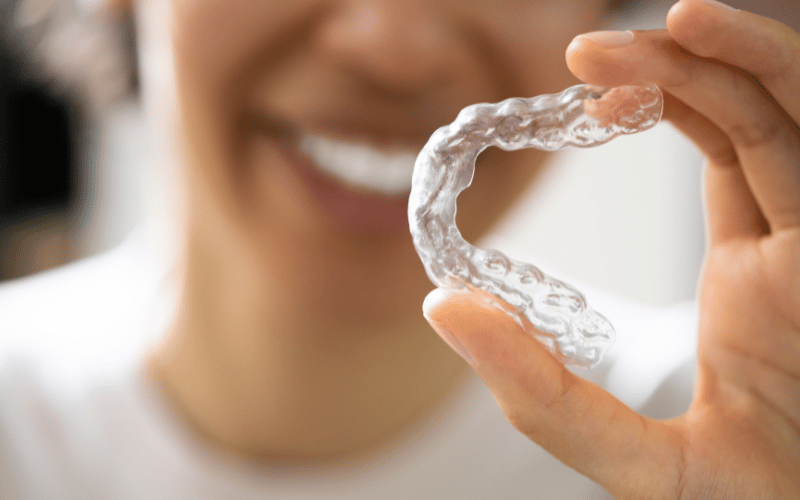
Teeth straightening is a common orthodontic procedure that corrects misaligned teeth for improved dental health and aesthetics. The two primary options for teeth straightening are traditional braces and clear aligners.
Clear aligners gradually shift teeth into alignment by wearing transparent trays over the teeth, while braces involve adhering metal or ceramic brackets to teeth connected by wires.
Clear aligners have surged in popularity due to their discreet appearance and removable nature, offering more convenience to users. However, determining whether clear aligners are unequivocally superior to braces depends on individual factors such as the severity of misalignment, lifestyle preferences, and treatment goals.
Advantages & Disadvantages of Clear Aligners
Advantages:
1. Aesthetics: Clear aligners are virtually invisible, making them more discreet than traditional braces, especially for adults and professionals concerned about their appearance during treatment.
2. Removability: Clear aligners can be easily removed for eating, brushing, and flossing, allowing for better oral hygiene maintenance and fewer dietary restrictions than braces.
3. Comfort: Clear aligners are typically more comfortable than braces as they do not have wires or brackets that can cause irritation or discomfort to the gums and cheeks.
4. Predictable Results: Clear aligner treatment plans are computer-generated, offering precise and predictable results. Some systems even provide virtual simulations of the outcome before starting treatment.
5. Reduced Treatment Time: In some cases, Invisalign may achieve desired results faster than braces, depending on the complexity of the orthodontic issues being addressed.
Disadvantages:
1. Compliance: Successful treatment relies heavily on patient compliance. To be effective, wear them for at least 22 hours per day. Failure to wear them as prescribed can prolong treatment time or compromise results.
2. Cost: Clear aligner treatment can be more expensive than traditional braces, particularly if multiple aligner sets are required, or additional services such as refinements are needed.
3. Not Suitable for All Cases: Clear aligners may not be suitable for severe orthodontic problems or specific bite issues, requiring braces or other orthodontic appliances for effective treatment.
4. Speech Impediments: Some users may experience temporary speech impediments or lisps when wearing clear aligners, especially during the initial adjustment period.
5. Maintenance: Clear aligners require diligent cleaning to prevent discoloration, odor, and bacterial buildup, which can be challenging for some users compared to fixed-in-place braces.
Advantages & Disadvantages of Braces
Advantages:
1. Effectiveness: Braces are highly effective for treating many orthodontic issues, including severe misalignments, overcrowding, and bite problems, making them suitable for various cases that clear aligners may not address.
2. Comprehensive Correction: Braces can exert more precise and controlled force on teeth, allowing for comprehensive correction of complex dental issues, including those involving significant rotations or vertical movements.
3. No Compliance Requirement: Unlike clear aligners, braces are fixed onto teeth, eliminating the need for patient compliance regarding wear time, which can ensure consistent progress and treatment outcomes.
4. Suitable for All Cases: Braces are suitable for almost all orthodontic cases, including those requiring extensive correction or coordination with other dental treatments such as jaw surgery.
5. Lower Cost: Braces are often more cost-effective than clear aligners, making them a preferred option for individuals with budget constraints or those seeking affordable orthodontic treatment.
Disadvantages:
1. Aesthetic Concerns: Braces are apparent and may cause self-consciousness, particularly among teenagers and adults, impacting confidence and social interactions during treatment.
2. Oral Hygiene Challenges: Braces present challenges in maintaining oral hygiene due to brackets and wires, increasing the risk of plaque buildup, tooth decay, and gum disease if proper dental care practices are not followed diligently.
3. Dietary Restrictions: Certain foods and habits, such as sticky candies, hard snacks, and chewing gum, must be avoided or limited to prevent damage to braces and minimize the risk of emergencies or prolonging treatment time.
4. Discomfort and Irritation: Braces can cause discomfort, soreness, and irritation to the soft tissues of the mouth, particularly during the initial adjustment period and after routine orthodontic adjustments.
5. Longer Treatment Time: Treatment with braces may require a longer duration than clear aligners, especially for complex cases, as adjustments and progress monitoring typically occur every few weeks, extending the overall treatment timeline.
Are Clear Aligners Better Than Braces?
Clear aligners offer advantages such as discreet appearance, removability, comfort, predictable results, and reduced treatment time. However, they require strict patient compliance, may not be suitable for severe cases, and tend to be more expensive. On the other hand, braces are effective for various orthodontic issues, require no compliance, and are more cost-effective.
Yet, they come with aesthetic concerns, oral hygiene challenges, dietary restrictions, discomfort, and longer treatment times. Whether clear aligners are better than braces depends on individual factors such as treatment needs, lifestyle preferences, and budget constraints.
Wrap Up!
In conclusion, the debate over whether clear aligners are definitively superior to braces is nuanced. While each option presents unique advantages and disadvantages, there’s no one-size-fits-all answer. Consider treatment needs, lifestyle preferences, and budget constraints.
Consulting with an orthodontist is crucial to assess individual needs accurately. Treatment effectiveness, aesthetics, convenience, cost, and comfort should guide decision-making. Ultimately, the best course of action varies for each person. Therefore, seeking professional guidance from an orthodontist is recommended to determine the most suitable treatment plan tailored to individual needs and preferences.