
Patients in Whitehall ask us this question more than almost any other: do dental implants really last a lifetime? It is a fair question — implants are a significant decision. After years of helping patients through Implant Dentistry Whitehall, Dr. Ryan Brunworth has seen firsthand what makes implants succeed long-term. The short answer is yes — but only under the right conditions.
Dental implants are the gold standard for replacing missing teeth. They look, feel, and function like natural teeth. Most patients want to know whether that investment will hold up for decades. This article breaks down the real lifespan of implants, what shortens them, and what you can do to protect them.
What Does the Research Say About Dental Implant Lifespan in Whitehall?
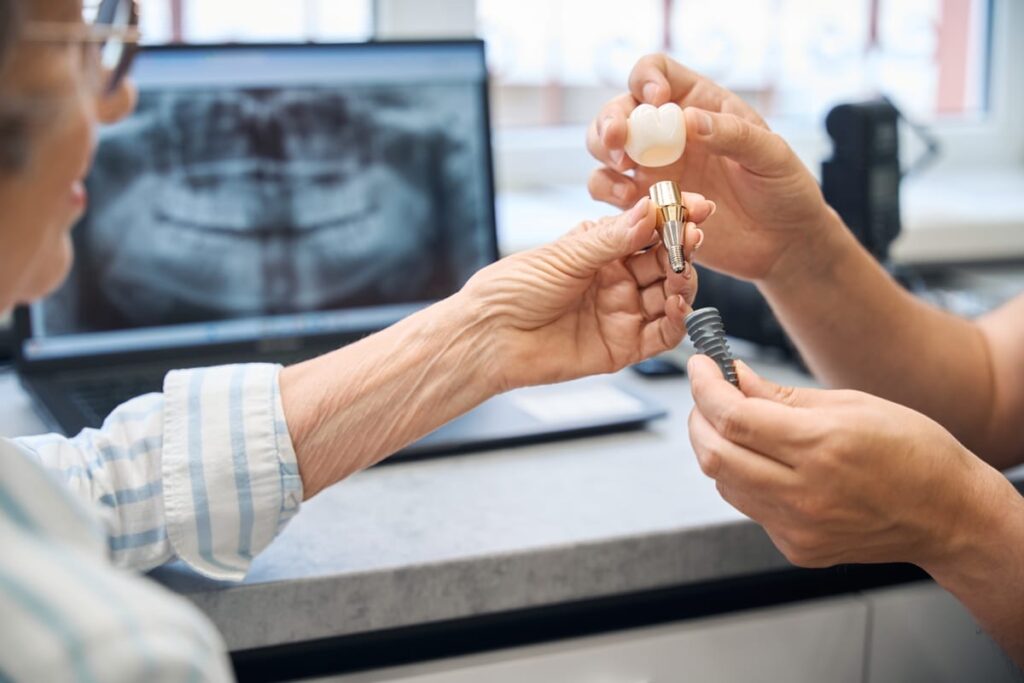
Clinical studies consistently show implants lasting 15 to 25 years or more. Many patients keep their implants for their entire lives. The titanium post that fuses to your jawbone is extraordinarily durable. That post rarely fails when it is placed correctly and cared for properly.
The crown — the visible tooth portion — is a different story. Crowns typically last 10 to 15 years before needing replacement. Wear, grinding, and everyday biting pressure all affect the crown over time. Replacing the crown does not mean the implant itself has failed.
Here in Whitehall, Dr. Brunworth uses advanced imaging and precise surgical placement to give every implant the best possible start. A well-placed implant is far more likely to last decades. The foundation matters more than most people realize.
Key Factors That Shorten Dental Implant Lifespan
Not every implant lasts a lifetime. Several factors can cause early implant failure or reduce longevity significantly. Understanding these risks helps you make smarter decisions before and after surgery.
The most common risk factors include:
- Smoking or tobacco use — Tobacco restricts blood flow and slows healing. Smokers have significantly higher implant failure rates.
- Uncontrolled diabetes — High blood sugar impairs healing and increases infection risk around the implant site.
- Poor oral hygiene — Bacteria build-up leads to peri-implantitis, an infection that destroys bone around the implant.
- Teeth grinding (bruxism) — Chronic grinding puts excess pressure on the implant and crown, causing premature wear.
- Insufficient bone density — Without enough jawbone, an implant cannot fuse properly. Bone grafting may be needed first.
- Skipping follow-up appointments — Problems caught early are easy to treat. Ignored issues become costly failures.
Many of these factors are controllable. Dr. Brunworth evaluates each patient’s health history carefully. This helps identify risks before placement, not after.
What Extends the Life of Your Dental Implants?
The good news is that most patients can take clear, practical steps to extend implant lifespan significantly. Longevity is not just about luck — it is about consistent habits.
These proven habits make a real difference:
- Brush twice daily — Use a soft-bristle toothbrush around the implant site every morning and night.
- Floss daily — Special implant floss or a water flosser cleans areas a regular brush cannot reach.
- Attend regular cleanings — Professional cleanings remove biofilm that home care misses. Twice-yearly visits are the minimum.
- Wear a nightguard if needed — If you grind your teeth, a custom nightguard protects your crown from excessive pressure.
- Avoid chewing hard items — Ice, hard candy, and pen caps can crack a crown and stress the implant post.
- Stay on top of your overall health — Conditions like gum disease affect implant stability. Treat health issues proactively.
Dr. Brunworth works closely with every patient after implant placement. Ongoing support and monitoring are part of the care plan — not an afterthought.
How Cosmetic and Restorative Goals Work Together for Lasting Results
Many patients pursuing implants also have broader smile goals. Implants anchor beautifully to other restorative and cosmetic treatments. When your whole smile is healthy, implants perform better and look better for longer.
For example, addressing gum disease before implant placement dramatically improves outcomes. Treating misalignment reduces uneven biting forces that stress implants. Patients interested in a complete smile upgrade often explore Cosmetic Dentistry Whitehall alongside their implant treatment.
A comprehensive approach protects your investment. Dr. Brunworth coordinates care across all services — from periodontal health to cosmetic finishing touches. Everything works together to support long-term success.
What to Expect During Your Implant Journey at Lakeshore Family Dental Care
Understanding the process helps patients feel confident and prepared. Implant treatment is not a single appointment — it unfolds in stages. Each stage is designed to maximize healing and long-term stability.
Here is a general overview of what to expect:
- Consultation and imaging — Dr. Brunworth evaluates your bone density, gum health, and overall bite using digital X-rays and a full exam.
- Treatment planning — A personalized plan is built around your specific anatomy and goals. Any preparatory work like bone grafting is scheduled first.
- Implant placement — The titanium post is surgically placed into the jawbone under local anesthesia. Most patients report minimal discomfort.
- Osseointegration — Over 3 to 6 months, the implant fuses with the surrounding bone. This is the foundation of long-term success.
- Crown placement — Once healing is complete, a custom crown is attached. It is matched precisely to your natural teeth.
- Ongoing monitoring — Regular checkups track implant health and catch any issues early.
Most patients are surprised by how smooth the process feels. Our Whitehall team guides you through every step with clear communication and genuine care.
Conclusion: Your Implants Can Last a Lifetime With the Right Support
So, do dental implants really last a lifetime? For most patients in Whitehall who follow proper care routines and maintain their oral health, the answer is yes. The titanium post can last decades. The crown needs periodic replacement. And consistent habits make all the difference between an implant that thrives and one that struggles.
Dr. Ryan Brunworth and the Lakeshore Family Dental Care team are here to help you make the most of your implant investment. We take a thorough, personalized approach to every case. Your long-term health is always the priority. Book Now to schedule your appointment with our team.
Frequently Asked Questions
How long do dental implants typically last?
The implant post itself can last 25 years or longer — often a lifetime. The crown attached to the post typically lasts 10 to 15 years before needing replacement. Good oral hygiene and regular dental visits significantly extend the lifespan of both components.
What causes dental implants to fail early?
Early implant failure is most often linked to smoking, uncontrolled diabetes, poor oral hygiene, or insufficient jawbone density. Peri-implantitis — a bacterial infection around the implant — is one of the leading causes of long-term failure. Addressing these risk factors before placement dramatically improves outcomes.
Is it painful to get dental implants?
Most patients report that implant placement is more comfortable than they expected. Dr. Brunworth uses local anesthesia to numb the area during the procedure. Some mild soreness and swelling are normal in the days following surgery, but these are typically manageable with over-the-counter pain relief.
Can dental implants fail years after placement?
Yes, implants can develop problems years after successful placement. Gum disease, bone loss, excessive bite force, or a cracked crown can all create complications later on. That is why ongoing monitoring at regular checkups is essential — catching issues early prevents small problems from becoming serious failures.
Are dental implants a good choice for older adults?
Age alone is not a barrier to dental implants. Many older adults are excellent candidates. The key factors are bone density, overall health, and gum health — not age. Dr. Brunworth evaluates each patient individually to determine whether implants are a safe and effective option for their specific situation.