
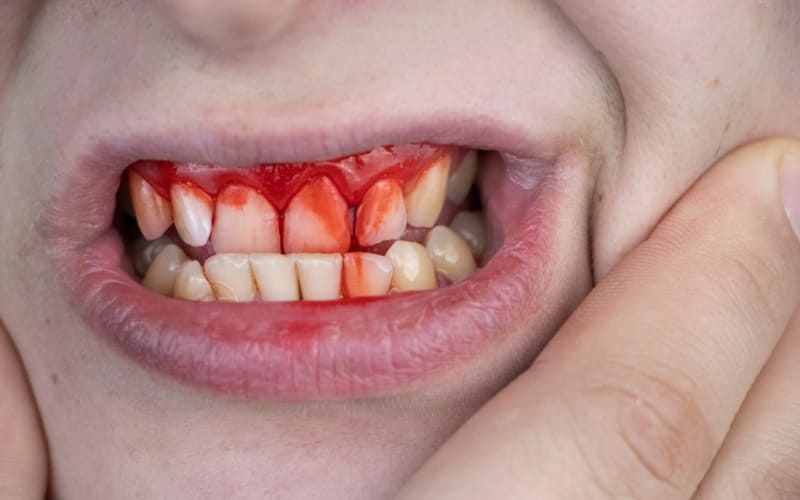
Bleeding gums are a common indication of gum disease, affecting a significant portion of the population. Left untreated, it can lead to serious oral health issues such as gum recession and tooth loss. Gum therapy, including professional cleaning and, in more severe cases, surgical intervention, is a vital treatment option. It aims to remove plaque and tartar buildup, reduce inflammation, and restore gum health. In this article, we shall understand how can gum therapy help with bleeding gums.
Understanding Bleeding Gums
Bleeding gums stem from various causes such as plaque buildup, gingivitis, and periodontitis, highlighting the importance of prompt intervention to prevent escalated oral health problems. Addressing bleeding gums promptly is crucial to halt the progression of gum disease, which can lead to gum recession and tooth loss if left unchecked. Common symptoms include persistent bad breath, swollen gums, and gum sensitivity, signaling potential gum disease. Early detection and treatment through professional dental care and diligent oral hygiene practices are vital for maintaining gum health and preventing more severe oral health complications.
What Is Gum Therapy?
Gum therapy, a crucial treatment for bleeding gums, encompasses various methods aimed at restoring gum health and preventing further complications. Techniques include scaling and root planing to remove plaque and tartar, laser therapy for precise treatment, and antibiotic therapy to combat bacterial infection. These methods work by eliminating harmful bacteria, reducing inflammation, and promoting gum tissue regeneration. By addressing the underlying causes of bleeding gums, gum therapy not only stops the progression of gum disease but also improves overall oral health, preventing tooth loss and other severe complications associated with untreated gum disease.
Effectiveness of Gum Therapy
1. Reduction in Gum Inflammation: Gum therapy effectively reduces inflammation in the gums by removing plaque and tartar buildup, addressing the root cause of gingival inflammation.
2. Halting Progression of Gum Disease: Gum therapy helps stop the progression of gingivitis and periodontitis by eliminating bacteria and toxins from the gum pockets, preventing further damage to the gum tissue and surrounding bone.
3. Improved Oral Health: Patients undergoing gum therapy experience improvements in overall oral health, including reduced bleeding during brushing and flossing, fresher breath, and healthier-looking gums.
4. Prevention of Tooth Loss: By treating gum disease promptly and effectively, gum therapy helps prevent tooth loss, as advanced periodontal disease is a leading cause of tooth loss in adults.
5. Long-term Maintenance: Regular follow-up appointments and diligent oral hygiene practices after gum therapy are essential for maintaining the effectiveness of the treatment and preventing the recurrence of gum disease.
Benefits and Risks of Gum Therapy
Benefits
1. Improved Gum Health: Gum therapy can lead to healthier gums by reducing inflammation, decreasing bleeding, and promoting gum tissue regeneration.
2. Prevention of Tooth Loss: By treating gum disease, gum therapy can prevent the progression of periodontitis, ultimately reducing the risk of tooth loss.
3. Enhanced Oral Hygiene: Patients often experience improved oral hygiene habits following gum therapy, leading to better overall oral health and reduced risk of future gum problems.
4. Fresh Breath: Treating gum disease through therapy can help alleviate persistent bad breath caused by bacterial buildup in the mouth.
5. Long-term Cost Savings: Addressing gum disease early through therapy can prevent the need for more extensive and costly dental treatments, such as tooth extractions or dental implants, in the future.
Risks
1. Sensitivity and Discomfort: Some patients may experience temporary sensitivity or discomfort following gum therapy, particularly after procedures such as scaling and root planing.
2. Gum Recession: In rare cases, aggressive gum therapy procedures may lead to gum recession, where the gum tissue pulls away from the teeth, exposing the roots and increasing sensitivity.
3. Infection: There is a risk of infection associated with gum therapy, particularly if proper post-treatment care and oral hygiene practices are not followed diligently.
4. Allergic Reactions: Some patients may experience allergic reactions to materials used during gum therapy procedures, such as antibiotics or local anesthetics.
5. Need for Multiple Sessions: Depending on the severity of the gum disease, multiple sessions of gum therapy may be required, leading to increased time and financial investment for the patient.
Wrap Up!
Gum Therapy for Bleeding Gums is a proven solution for restoring gum health. Effectively reducing inflammation and preventing further complications, it’s vital for those experiencing bleeding gums. Don’t delay—seek professional dental advice promptly to address any signs of gum disease. Remember, proactive oral care is key to maintaining gum health and preventing serious issues like tooth loss. Schedule your appointment today with Whitehall Dentist and take the first step towards healthier gums and a brighter smile. Your gums deserve the best care—act now for a healthier tomorrow!