
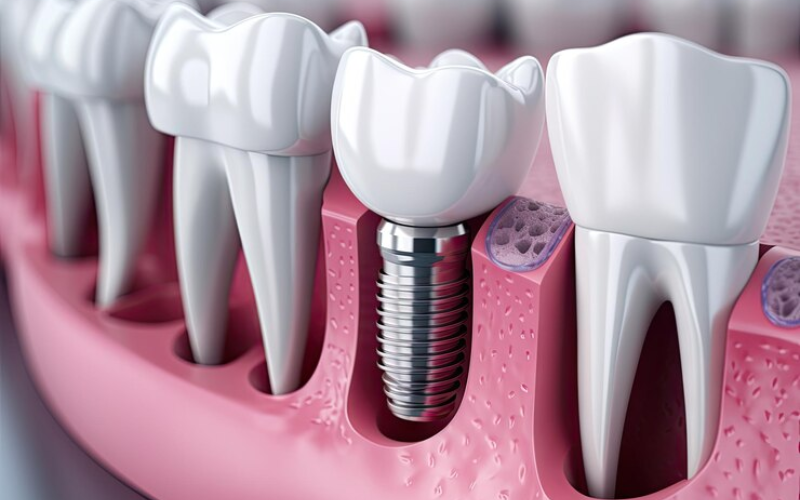
Dental implants are a revolutionary solution for tooth replacement that not only restores your smile but also plays a vital role in maintaining jawbone health. When a tooth is lost, the jawbone can begin to deteriorate over time, leading to a range of oral health issues.
This blog explores how dental implants help prevent bone loss in the jaw and their overall benefits for oral health.
Understanding Bone Loss After Tooth Loss
Effects of Tooth Loss on Jawbone Health
When a tooth is lost, the underlying jawbone no longer receives the necessary stimulation that natural teeth provide. This lack of stimulation can cause the following:
- Bone Resorption: The body begins to absorb the bone tissue in the jaw where the tooth root once was.
- Decreased Bone Density: Over time, this resorption leads to a decrease in bone density, weakening the jaw.
- Changes in Facial Structure: Bone loss can result in facial sagging, making a person appear older and affecting their overall appearance.
Why Traditional Dentures Don’t Prevent Bone Loss?
While traditional dentures can replace missing teeth, they do not address the underlying issue of bone loss. Here’s why:
- Lack of Stimulation: Dentures sit on top of the gums and do not stimulate the jawbone like natural tooth roots.
- Potential for Slippage: Dentures can shift or slip, leading to discomfort and further complications with bone loss.
How Dental Implants Work?
Structure of Dental Implants
Three major components make up dental implants:
- Implant Screw: A titanium post surgically placed into the jawbone, serving as the tooth root.
- Abutment: A connector that attaches the implant screw to the crown.
- Crown: A portion of the implant that is visible and mimics a real tooth.
Process of This Dental Procedure
The following stages are usually included in acquiring dental implants:
- Consultation: A thorough examination and treatment planning with your dentist or oral surgeon.
- Surgical Placement: The implant screw is surgically placed into the jawbone under local anesthesia.
- Healing Period: A healing period of several months allows the bone to fuse with the implant in a process called ‘osseointegration’.
- Abutment and Crown Placement: Once healed, the abutment is attached, followed by the placement of the crown.
Benefits of Dental Implants in Preventing Bone Loss
1. Stimulating Bone Growth
- Mimics Natural Tooth Roots: The titanium implant mimics the natural tooth root, stimulating the jawbone as it would under normal circumstances.
- Promotes Bone Regeneration: This stimulation encourages bone regeneration and helps maintain bone density.
2. Preventing Further Tooth Loss
- Stabilizes Adjacent Teeth: They stabilize adjacent teeth, preventing them from shifting and potentially leading to further tooth loss.
- Maintains Jaw Structure: Implants help maintain the overall structure of the jaw by preserving the jawbone and reducing the risk of future tooth loss.
3. Aesthetic Advantages

- Maintains Facial Structure: Dental Implants help preserve the natural contours of the face, preventing the sunken appearance often associated with bone loss.
- Improves Confidence: Patients often experience increased confidence and improved quality of life with a restored smile and facial structure.
The Long-Term Value of Dental Implants
Cost-Effectiveness
Although implants may require a higher initial investment compared to dentures or bridges, their long-term benefits often outweigh the costs. Here’s why:
- Durability: With proper care, they can last a lifetime, reducing the need for frequent replacements.
- Lower Maintenance Costs: Unlike dentures, which require ongoing adjustments and replacements, dental implants often require less maintenance over time.
Oral Health Improvement
Investing in dental implants significantly enhances oral health:
- Easier Oral Hygiene: Implants function like natural teeth, allowing for easier brushing and flossing and promoting better oral hygiene.
- Prevention of Gum Disease: Dental implants can help reduce the risk of gum disease by preventing bone loss and maintaining a healthy jawbone structure.
Dental implants offer a compelling solution for preventing bone loss in the jaw after tooth loss. By mimicking the function of natural tooth roots, they stimulate the jawbone, maintain bone density, and prevent further complications associated with tooth loss.
Investing in dental implants not only enhances your smile but also contributes significantly to your long-term oral health and quality of life. If you are considering tooth replacement options, consult with a qualified dentist to explore how dental implants can benefit you.