
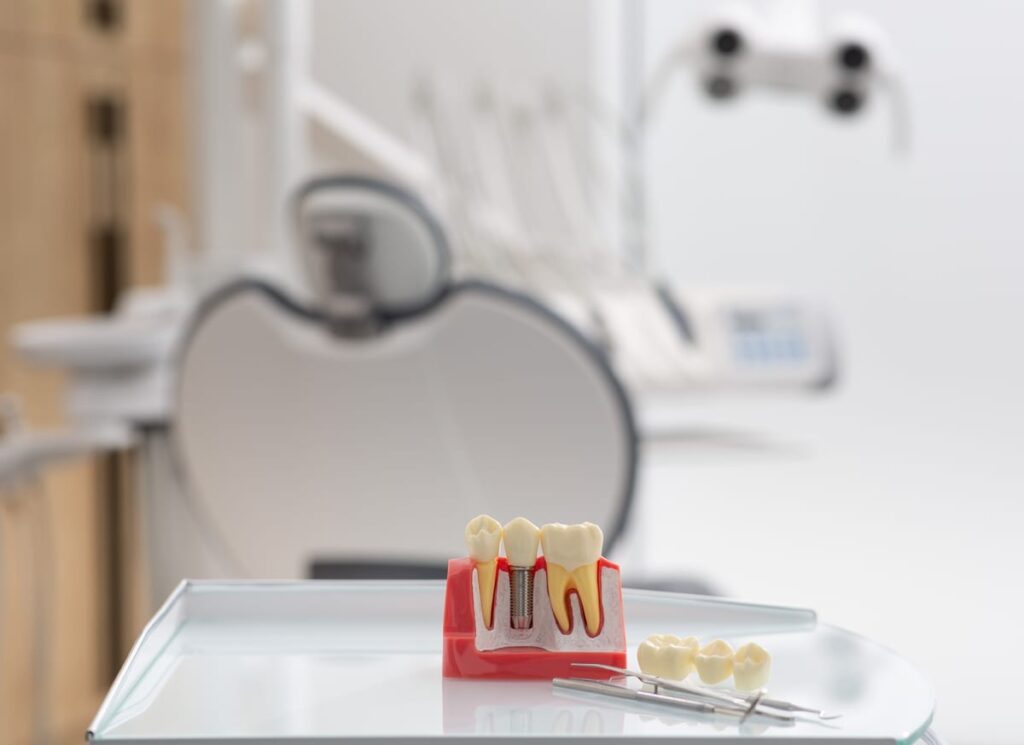
If you’ve been considering dental implants, you’re not alone. Many patients in Whitehall, MI want to replace missing teeth but feel nervous about the unknown. Understanding your dental implant procedure explained step by step — what happens every step of the way — can ease that anxiety significantly. At Lakeshore Family Dental Care, Dr. Ryan Brunworth guides every patient through this process with patience, clarity, and care.
Step One: Your Initial Consultation in Whitehall
Every successful implant starts with a thorough consultation. Dr. Brunworth will review your dental and medical history during this first visit. He uses digital X-rays and 3D imaging to assess your jawbone density and overall oral health.
This step also involves a conversation about your goals and any concerns you may have. Dr. Brunworth will explain whether you are a strong candidate for Implant Dentistry based on your unique situation. Patients with bone loss may need a bone graft before moving forward — something Dr. Brunworth will identify at this stage.
You will also receive a personalized treatment plan during this appointment. This plan outlines every upcoming step, timeline, and what to expect along the way. Nothing moves forward until you fully understand and feel comfortable with the plan.
Step Two: Implant Placement — What Happens During Surgery
Once you’re cleared for the procedure, the implant placement appointment is scheduled. This is often the step patients feel most nervous about — but it is more straightforward than most expect. Dr. Brunworth administers local anesthesia to ensure you feel no pain during the procedure.
A small incision is made in the gum tissue to expose the jawbone. Dr. Brunworth then carefully drills a small channel and places the titanium implant post directly into the bone. The whole process typically takes one to two hours depending on how many implants are being placed.
Here is a quick overview of what happens during the placement appointment:
- Local anesthesia is applied to numb the area completely
- A small incision is made in the gum tissue
- The titanium post is placed precisely into the jawbone
- The gum tissue is stitched closed around the implant
- A temporary cover or healing cap is placed on top
Most patients report feeling pressure but no sharp pain during the procedure. After placement, mild soreness and swelling are normal for a few days. Dr. Brunworth provides clear aftercare instructions to help you heal comfortably at home.
Step Three: Osseointegration — The Healing Phase Explained
After placement, your body begins the most important part of the entire process. Osseointegration is the biological process where your jawbone fuses with the titanium post. This creates the stable, root-like foundation that makes implants so effective long term.
This healing phase typically takes three to six months. During this time, Dr. Brunworth will schedule follow-up visits to monitor your progress. These check-ins ensure the implant is integrating properly and that no complications are developing.
During osseointegration, it is important to:
- Avoid hard or crunchy foods near the implant site
- Maintain excellent oral hygiene around the area
- Avoid smoking, which can slow bone healing significantly
- Attend all scheduled follow-up appointments with Dr. Brunworth
- Report any unusual pain, swelling, or movement right away
Many patients in Whitehall are surprised by how comfortable this phase actually is. You can carry on with daily life, eat most soft foods, and smile normally during healing. The temporary restoration keeps your appearance natural while you wait.
Step Four: Placing the Abutment and Final Crown in Whitehall
Once osseointegration is complete, Dr. Brunworth places the abutment. This is a small connector piece that attaches to the top of the implant post. It provides the anchor point for your final dental crown.
Impressions or digital scans are taken of your teeth at this stage. These are sent to a dental lab where your custom crown is crafted. The crown is designed to match the exact color, size, and shape of your surrounding natural teeth.
When your crown is ready, Dr. Brunworth secures it onto the abutment. He checks your bite carefully and makes any fine adjustments needed. The result is a permanent, natural-looking tooth that functions just like the real thing.
Patients often tell Dr. Brunworth they forget which tooth was replaced. That is the goal — a restoration so seamless it blends perfectly with your smile. With proper care, your implant can last a lifetime.
Benefits of Choosing Dental Implants Over Other Tooth Replacement Options
Dental implants offer advantages that other options simply cannot match. Understanding these benefits helps patients make confident, informed decisions about their oral health. Here is why so many Whitehall residents choose implants with Dr. Brunworth:
- Permanent stability — implants do not slip or shift like dentures
- Bone preservation — the titanium post stimulates jawbone and prevents deterioration
- Natural appearance — crowns are custom-matched to your smile
- Easy maintenance — brush and floss just like a natural tooth
- Long-term value — implants are built to last decades with proper care
It is also worth noting that good overall health supports implant success. For example, untreated sleep disorders can affect healing. Dr. Brunworth also offers Sleep Apnea Snoring Therapy for patients who need it alongside restorative treatment.
Conclusion: You Deserve a Smile That Feels Complete
Understanding your dental implant procedure explained step by step helps remove fear and builds real confidence. From your first consultation to your final crown, Dr. Brunworth and the Lakeshore Family Dental Care team walk alongside you every step of the way. Whitehall patients can expect compassionate care, clear communication, and exceptional results. Book Now to schedule your appointment with our team.
Frequently Asked Questions
How long does the entire dental implant procedure take from start to finish?
The full process typically takes between four and nine months. Most of that time is the osseointegration healing phase, which allows the implant to fuse with your jawbone. The surgical placement appointment itself usually takes one to two hours. Dr. Brunworth will give you a personalized timeline during your consultation.
Is the dental implant procedure painful?
Most patients report far less discomfort than they expected. Local anesthesia keeps you comfortable during the placement procedure itself. Afterward, mild soreness and swelling are normal for a few days. Over-the-counter pain relief and Dr. Brunworth’s aftercare instructions manage this very effectively.
Am I a good candidate for dental implants in Whitehall?
Most healthy adults with missing teeth are strong candidates. Adequate jawbone density is important for implant stability. Patients with bone loss may need a bone graft first. Dr. Brunworth evaluates your specific situation thoroughly during the initial consultation to determine the best path forward.
How do I care for my dental implant after it is placed?
Caring for a dental implant is simple and similar to caring for natural teeth. Brush twice daily and floss around the implant just as you would any tooth. Avoid very hard foods during the healing phase. Regular dental cleanings and check-ups with Dr. Brunworth keep your implant healthy for the long term.
What makes dental implants different from dentures or bridges?
Dental implants replace the entire tooth — root and all. This prevents bone loss that commonly occurs after tooth extraction. Dentures and bridges sit on top of or adjacent to existing teeth but do not stop bone deterioration. Implants also feel and function more like natural teeth, with no adhesives or removable components.