
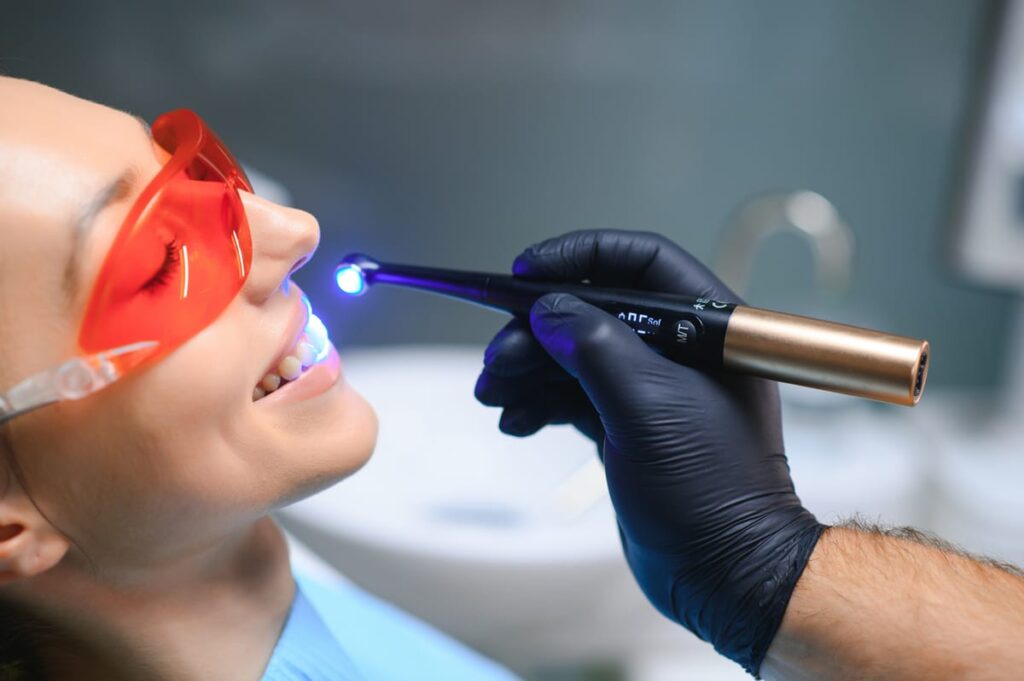
So many patients in the Montague area ask the same question: will teeth whitening actually work for you in Montague, or will it be a waste of time and money? It is a fair concern. Whitening treatments can deliver stunning results — but only for the right candidates. Understanding who benefits most helps you make a smart, informed choice before starting any treatment.
At Lakeshore Family Dental Care, Dr. Ryan Brunworth helps patients in Whitehall, Montague, and surrounding communities discover whether whitening is their best path forward. This guide will help you self-screen so you walk into your appointment ready to ask the right questions.
What Teeth Whitening Can and Cannot Do in Montague
Teeth whitening works by using a peroxide-based agent to break apart surface stains on tooth enamel. It targets extrinsic stains — those caused by food, drinks, and lifestyle habits. Coffee, tea, red wine, and tobacco are among the most common culprits.
However, whitening does not change the color of existing dental work. Porcelain crowns, veneers, and composite bonding will not respond to bleaching agents. If you have restorations in visible areas, whitening your natural teeth could create a mismatched smile.
This is one of the most important things to understand upfront. Your natural tooth enamel and your dental materials bleach differently — or not at all. Dr. Brunworth always reviews your full dental history before recommending any whitening approach.
Who Gets the Best Results From Teeth Whitening
Not all staining is the same, and not all patients respond equally. Patients who tend to see the most dramatic whitening results share some common characteristics.
- Stains caused by coffee, tea, wine, or tobacco use
- Naturally yellowish tooth enamel rather than gray tones
- No crowns, veneers, or bonding in the visible smile zone
- Good overall gum health with no active periodontal disease
- Enamel that is reasonably thick and free of significant erosion
If you fit most of these descriptions, professional whitening could brighten your smile by several shades. In-office treatments work faster than over-the-counter options. Custom take-home trays from Dr. Brunworth also offer stronger results than store-bought kits.
The key is that the staining must be extrinsic — sitting on or near the surface of your enamel. Those stains respond well to peroxide-based whitening gels. Deeper, internal stains tell a very different story.
Intrinsic Stains and Medication-Induced Discoloration — When Whitening Falls Short
Intrinsic stains exist inside the tooth structure itself. They cannot be reached by topical whitening agents. These stains require different cosmetic solutions entirely.
Several conditions cause intrinsic discoloration that whitening will not fix:
- Tetracycline antibiotic staining: Taken during childhood tooth development, this creates deep gray or brown banding inside the tooth
- Fluorosis: Excessive fluoride during development causes white spots or brown mottling on enamel
- Trauma: A past injury can cause a tooth to darken from the inside over time
- Dentinogenesis imperfecta: A genetic condition affecting tooth color and structure
- Aging dentin: As enamel thins, the naturally yellow dentin underneath shows through more
Medication-induced staining is especially common with tetracycline. Many adults in Montague grew up taking antibiotics before this side effect was fully understood. If your discoloration looks grayish, banded, or uneven across teeth, whitening alone is unlikely to help much.
For intrinsic staining, Dr. Brunworth may recommend porcelain veneers or dental bonding instead. These cosmetic options cover discoloration rather than trying to bleach through it. The result can be a fully transformed smile even when whitening has no power to help.
Dental Restorations and Whitening Compatibility
This is where many patients get caught off guard. They start a whitening treatment and then notice that some teeth look brighter while others stay the same shade. That mismatch happens when dental restorations are involved.
Crowns, veneers, implant crowns, and composite fillings are all made from materials that do not absorb bleaching agents. If you have a crown on a front tooth and whiten your natural teeth, the crown will stand out. That outcome can look worse than the original staining.
If you are considering Implant Dentistry or already have implant-supported crowns, the same rule applies. The crown color is fixed at the time of placement. Whitening your surrounding teeth after placement changes their shade without affecting the implant crown at all.
The smart approach is to whiten first, then complete any cosmetic restoration work. That way, new crowns or veneers can be matched to your freshly whitened smile. Dr. Brunworth coordinates treatment sequencing carefully to avoid these mismatches.
Other Factors That Affect Your Whitening Candidacy
Beyond stain type and restorations, several other health factors affect whether whitening is safe and effective for you right now.
Active gum disease, exposed root surfaces, or significant enamel erosion can make whitening uncomfortable or even damaging. Roots do not have an enamel layer, so exposed roots whiten differently and may become sensitive. Periodontal care should come first before any cosmetic treatment begins.
Tooth sensitivity is another important factor. Some patients already experience sensitivity to hot and cold foods. Whitening agents can temporarily increase that sensitivity. Dr. Brunworth can recommend desensitizing toothpaste before treatment or adjust the concentration of whitening gel to reduce discomfort.
Pregnancy is also a reason to postpone whitening. While no major harm has been proven, most dental professionals recommend waiting until after delivery and breastfeeding. If you are managing another health concern — such as working with a specialist for Sleep Apnea Snoring Therapy — always let Dr. Brunworth know so treatment plans can be coordinated safely.
How Dr. Brunworth Helps You Find the Right Path Forward
The best whitening outcomes start with a comprehensive exam. Dr. Brunworth evaluates your enamel quality, existing restorations, gum health, and stain type before making any recommendation. This step protects you from investing in a treatment that will not deliver results.
If professional whitening is right for you, the office offers both in-office and custom take-home options. If whitening is not the best fit, cosmetic alternatives like bonding or veneers can still help you achieve the bright, confident smile you are looking for.
Residents throughout Montague and the surrounding Lakeshore area deserve honest guidance — not just a product sold to them. The goal at Lakeshore Family Dental Care is always to match the treatment to the patient, not the other way around.
Ready to find out if teeth whitening will work for your unique smile? Book Now to schedule your appointment with our team.
Frequently Asked Questions
Will teeth whitening work if I have crowns on my front teeth?
Whitening agents do not change the color of porcelain or composite crowns. If your front teeth include crowns, whitening your natural teeth may create an uneven appearance. Dr. Brunworth recommends evaluating your existing restorations before starting any whitening treatment.
Can tetracycline staining be treated with teeth whitening?
Tetracycline staining is intrinsic — it lives inside the tooth structure, not on the surface. Standard whitening agents cannot reach it effectively. Porcelain veneers or cosmetic bonding are usually better options for this type of discoloration.
How long do teeth whitening results last?
Results typically last between six months and two years depending on your diet and habits. Coffee, tea, red wine, and tobacco will shorten results. Maintenance treatments with custom trays can help you preserve your brighter shade longer.
Is professional whitening safer than over-the-counter kits?
Professional whitening uses stronger, more controlled concentrations of bleaching agents. Dr. Brunworth monitors the process and can adjust based on your sensitivity and enamel condition. Store-bought kits offer no clinical oversight and often deliver inconsistent results.
What should I do if whitening makes my teeth sensitive?
Some sensitivity after whitening is normal and usually temporary. Using a desensitizing toothpaste before and after treatment can help significantly. If sensitivity is severe or lasts more than a few days, contact Lakeshore Family Dental Care right away so Dr. Brunworth can assess the cause.