
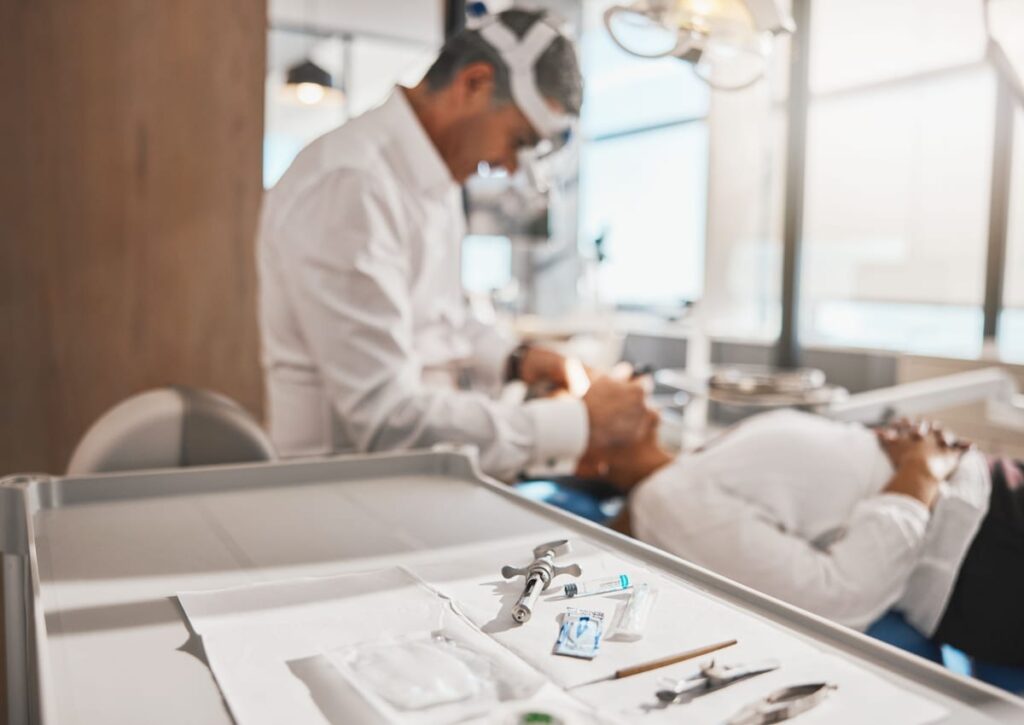
Many patients in Whitehall ask the same question before their appointments: why do my teeth hurt during a cleaning? Understanding why your teeth feel sensitive during cleaning—and how we stop it in Whitehall—can make a real difference in your comfort. Sensitivity is one of the most common reasons patients delay routine care. At Lakeshore Family Dental Care, Dr. Ryan Brunworth and our hygiene team take this concern seriously.
You are not alone if cleanings feel uncomfortable. Millions of people experience some level of sensitivity during dental visits. The good news is that there are clear reasons for it—and real solutions we use every day.
What Causes Sensitivity During a Dental Cleaning?
Tooth sensitivity during cleanings usually comes from one of several sources. Exposed dentin is one of the most common culprits. Dentin sits just beneath your enamel and contains tiny fluid-filled tubes that connect to nerve endings. When those tubes are exposed, even gentle pressure or water can trigger sharp sensations.
Gum recession is another frequent cause. When gums pull back, the sensitive root surfaces of your teeth become exposed. These areas lack the protective enamel covering found on tooth crowns. This makes them far more reactive to touch and temperature.
Plaque and tartar buildup can also heighten sensitivity. Heavy deposits irritate the gum tissue and inflame the area around each tooth. Cleaning through that inflammation naturally causes more discomfort.
- Exposed dentin from enamel erosion
- Gum recession revealing root surfaces
- Inflamed gum tissue due to tartar buildup
- Cracked or worn enamel
- Untreated cavities near the gumline
How Our Whitehall Team Minimizes Your Discomfort
Addressing sensitivity starts before the cleaning even begins. Our hygienists always ask about your comfort history at each visit. That information shapes how we approach your care from the very first instrument touch.
We use several techniques to keep sensitivity manageable. A topical numbing gel can be applied to the gums before scaling begins. This desensitizes the tissue and reduces the sharpest sensations significantly. It takes only minutes to work and makes a noticeable difference.
Our team also adjusts water temperature during cleanings. Cold water is a common trigger for sensitive teeth. Switching to a warmer rinse is a simple but effective way to reduce that reflex discomfort.
- Topical numbing gel applied before scaling
- Warm water used during rinsing and ultrasonic cleaning
- Gentle hand instruments for highly sensitive areas
- Frequent check-ins throughout the appointment
- Slower, more deliberate technique around recession areas
We never rush through a cleaning just to finish quickly. Taking more time with sensitive areas actually reduces overall discomfort and prevents irritation from building up. Your feedback during the appointment guides how we proceed.
Why Skipping Cleanings Makes Sensitivity Worse
It might seem logical to avoid cleanings if they cause discomfort. In reality, skipping appointments makes the underlying problem worse. Plaque and tartar continue to build up between visits. That buildup deepens gum inflammation and accelerates gum recession over time.
More recession means more exposed root surface. More exposed root surface means more sensitivity at your next cleaning. The cycle compounds itself with every missed appointment.
Consistent six-month cleanings actually reduce sensitivity over time. When less tartar accumulates, there is less inflammation. Less inflammation means the hygienist removes deposits more easily—and your experience is far more comfortable.
Patients who commit to regular care consistently report that their cleanings become less uncomfortable each year. Prevention truly is the most effective long-term treatment for cleaning-related sensitivity.
Treatments That Address Sensitivity at Its Source
Sometimes sensitivity signals an underlying dental issue that needs attention beyond a standard cleaning. Dr. Brunworth evaluates every patient for conditions like enamel erosion, gum disease, and early tooth decay. Treating these issues directly is the most effective path to lasting comfort.
Desensitizing toothpaste and fluoride treatments are commonly recommended. Fluoride strengthens enamel and reduces the reactivity of exposed dentin over time. We often apply professional-strength fluoride at the end of your cleaning appointment for immediate benefit.
For patients with significant gum recession, periodontal care may be the right next step. Our team offers comprehensive Cosmetic Dentistry Whitehall services that address both the function and appearance of your smile. Gum grafting and other restorative options can restore protective tissue around vulnerable roots.
In some cases, patients needing tooth replacement find that sensitivity around failing teeth resolves completely after treatment. Our Implant Dentistry Whitehall solutions provide stable, comfortable replacements that eliminate chronic sensitivity from compromised teeth.
What to Do Before and After Your Cleaning
A few simple steps before your appointment can reduce the intensity of sensitivity. Use a desensitizing toothpaste for at least two weeks before your visit. These products block the tiny tubules in exposed dentin and provide real relief during professional care.
Avoid highly acidic foods and beverages on the day of your appointment. Acid temporarily softens enamel and increases nerve reactivity. Staying away from citrus, soda, and vinegar-based foods that morning makes a practical difference.
After your cleaning, some mild sensitivity is completely normal and expected. It typically fades within 24 to 48 hours. Rinsing with warm salt water soothes inflamed gum tissue and speeds that recovery. Avoid very cold or hot foods for the rest of the day if possible.
Conclusion: Comfortable Cleanings Are Possible in Whitehall
Sensitivity during dental cleanings is common, but it does not have to control your dental health decisions. Understanding why your teeth feel sensitive during cleaning—and how we stop it in Whitehall—puts the power back in your hands. Dr. Ryan Brunworth and the Lakeshore Family Dental Care team are committed to making every visit as comfortable as possible. Book Now to schedule your appointment with our team.
Frequently Asked Questions
Is it normal for teeth to hurt during a professional cleaning?
Yes, some sensitivity during a cleaning is completely normal. It is especially common in patients with gum recession, enamel erosion, or existing gum inflammation. Our hygienists use specific techniques to minimize discomfort throughout your visit.
Can I ask my hygienist to stop if the sensitivity is too much?
Absolutely. You should always feel comfortable communicating during your appointment. Our team at Lakeshore Family Dental Care encourages patients to speak up at any time. We can pause, apply numbing gel, or adjust our approach immediately.
Will my sensitivity get better with regular cleanings?
For most patients, yes. Consistent cleanings reduce tartar buildup and gum inflammation over time. Less inflammation means less sensitivity during future appointments. Many patients notice a clear improvement after just a few consistent visits.
What toothpaste helps with sensitivity before a dental cleaning?
Desensitizing toothpastes containing potassium nitrate or stannous fluoride are most effective. Use them twice daily for at least two weeks before your appointment. Ask Dr. Brunworth which specific formula suits your type of sensitivity best.
Does gum disease cause sensitivity during cleanings?
Yes, gum disease is a major contributor to cleaning-related sensitivity. Infected and inflamed gum tissue reacts more strongly to instrument contact. Treating the underlying periodontal condition is the most effective long-term solution to this type of discomfort.