
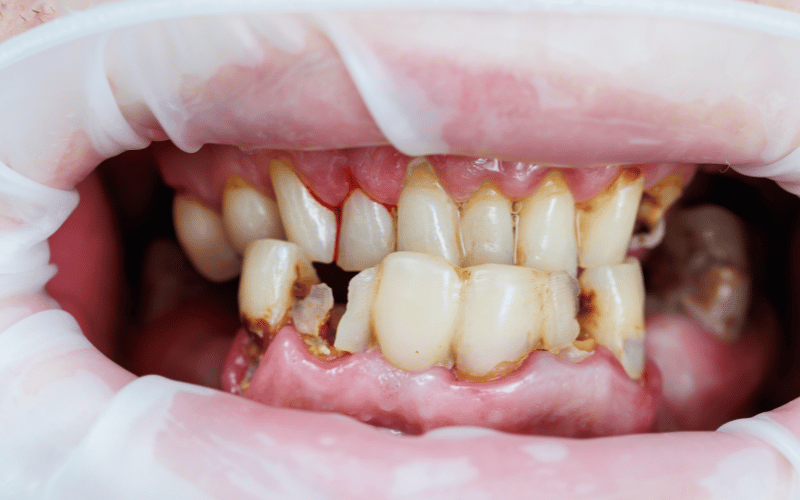
Maintaining oral health is crucial, as neglecting it can lead to various consequences, including tooth decay, gum disease, and even systemic health issues like heart disease. Moreover, having bad teeth can significantly impact self-esteem, causing embarrassment and social discomfort. In this blog, we aim to address the concerns of individuals facing severe tooth damage by exploring treatment options for people with bad teeth. From dental implants to veneers and beyond, we’ll delve into diverse solutions.
Common Causes of Bad Teeth
1. Poor Dental Hygiene: Neglecting regular brushing and flossing allows plaque and bacteria to accumulate, leading to decay and gum disease.
2. Sugary Diet: Excessive consumption of sugary foods and drinks breeds harmful bacteria, accelerating tooth decay.
3. Smoking and Tobacco Use: Tobacco products stain teeth, contribute to gum disease, and increase the risk of oral cancer, all of which can result in severe dental issues.
4. Medical Conditions: Diseases like diabetes and eating disorders can compromise oral health, affecting the body’s ability to fight infections and maintain healthy gums and teeth.
5. Genetics: Genetic predispositions can influence the strength of tooth enamel, susceptibility to cavities, and overall dental health.
Treatment Options For People With Bad Teeth
1. Restorative Dentistry: Common procedures like fillings, crowns, and bridges aim to repair and strengthen damaged teeth. Fillings restore small cavities using materials like composite resin or amalgam. Crowns cover and protect extensively damaged teeth, typically made from porcelain or metal alloys. Bridges repair missing teeth by fastening prosthetic teeth to surrounding natural teeth. Restorative dentistry enhances chewing ability, speech clarity, and restores aesthetics.
2. Tooth Extractions: Extraction may be necessary in cases of irreparable damage or severe decay. Simple extractions remove visible teeth, while surgical extractions involve impacted or broken teeth. Replacing extracted teeth with implants or dentures is vital to prevent bite issues and maintain oral function.
3. Dentures & Implants: Dentures are removable prosthetic devices replacing missing teeth, while implants are surgically placed permanent replacements. Dentures offer affordability and easy maintenance but may need more stability. Implant Dentistry provides superior strength and mimics natural teeth but involves a higher initial cost and surgical procedure.
4. Cosmetic Dentistry: Procedures like teeth whitening and veneers cater to aesthetic concerns. Teeth whitening restores natural tooth color, while veneers improve the appearance of stained, chipped, or misaligned teeth. These cosmetic enhancements offer a boost in confidence and self-esteem.
Final Words!
In conclusion, for individuals grappling with bad teeth, a range of treatment options exists for people to restore both function and aesthetics with bad teeth. The path to a healthy smile is within reach, from restorative dentistry procedures like fillings and crowns to tooth extractions when necessary and solutions like dentures or implants for missing teeth. At Lakeshore Family Dental Care, we’re committed to guiding you toward optimal oral health. Don’t let dental issues hold you back; schedule a consultation today to explore personalized solutions tailored to your needs.