
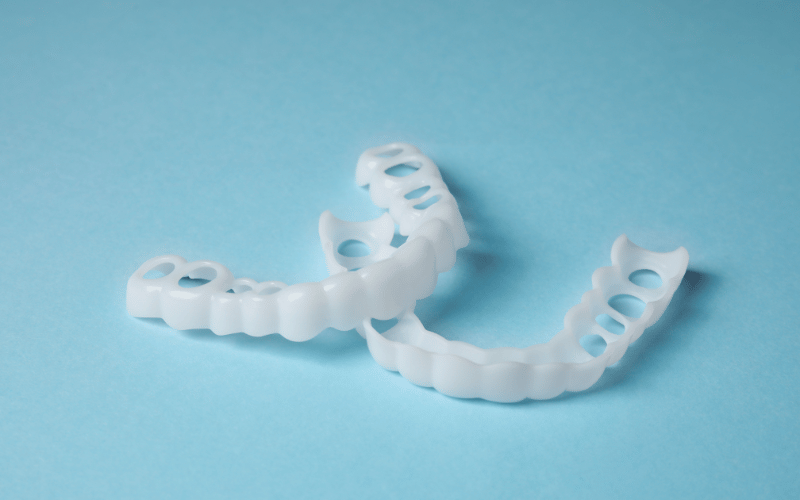
Bite guards are dental devices designed to protect teeth and gums from various forms of damage, such as grinding, clenching, or impact during sports activities. Dental health is vital for overall well-being, impacting speech, nutrition, and self-esteem. This blog aims to enlighten readers about the significance and role of bite guards in preserving dental health. By understanding their purpose and benefits, individuals can make informed decisions to safeguard their smiles and prevent potential dental issues. Join us as we delve into the world of bite guards and their crucial role in maintaining optimal dental health.
Types of Bite Guards
A. Night Guards
Night guards are custom-made dental appliances worn during sleep to protect teeth from grinding and clenching, a condition known as bruxism. These guards create a barrier between the upper and lower teeth, cushioning the impact and reducing wear and tear on the teeth. They also help to relax the jaw muscles, minimizing tension and discomfort associated with bruxism.
B. Sports Mouthguards
Sports mouthguards are protective devices typically made of durable plastic and worn over the teeth during sports activities. They are essential for preventing dental injuries such as broken teeth, knocked-out teeth, and soft tissue damage by cushioning the impact of blows to the face and jaw during sports participation.
C. TMJ Splints Bite Guards
Also known as occlusal splints or bite splints, are custom-made dental appliances designed to alleviate symptoms of temporomandibular joint disorder (TMJ). TMJ splints work by repositioning the jaw to a more comfortable and stable position, reducing pressure on the joint and surrounding muscles. They also prevent teeth clenching and grinding, exacerbating TMJ symptoms such as jaw pain, headaches, and difficulty chewing.
Benefits of Using Bite Guards
1. Dental Protection: Bite guards provide a protective barrier against various forms of dental damage, including teeth grinding, clenching, and impact during sports activities, helping to prevent chipped, cracked, or fractured teeth.
2. Pain Relief: By cushioning the teeth and jaws, bite guards help alleviate pain and discomfort associated with conditions like bruxism (teeth grinding), TMJ disorders, and sports-related injuries, promoting oral comfort.
3. Preventive Measure: Bite guards serve as preventive tools, reducing the risk of dental injuries and complications that may require costly and invasive dental treatments, thus saving time and money.
4. Enhanced Performance: For athletes, sports mouthguards not only protect teeth but also improve breathing and speech, allowing for better focus, performance, and confidence during sports activities.
5. Improved Sleep Quality: Night guards help individuals with bruxism achieve better sleep quality by reducing teeth grinding and associated muscle tension. This leads to more restful sleep and reduced symptoms of fatigue and jaw pain upon waking.
Signs You Might Need a Bite Guard
1. Teeth Grinding: If you wake up with sore jaw muscles, headaches, or notice excessive wear on your teeth, you may be grinding your teeth at night, indicating a need for a night guard to protect against further damage.
2. Jaw Pain or Tension: Persistent jaw pain, stiffness, or clicking sounds when opening or closing your mouth could be signs of temporomandibular joint disorder (TMJ), suggesting the potential need for a TMJ splint to alleviate symptoms.
3. Participation in Sports: If you engage in contact sports or activities with a risk of facial impact, such as football, hockey, or martial arts, wearing a sports mouthguard can help prevent dental injuries like fractured or knocked-out teeth.
4. Dental Restoration: If you have dental restorations such as crowns, bridges, or veneers, a bite guard can protect these investments from damage caused by teeth grinding or clenching, prolonging their lifespan.
5. Recurrent Mouth Ulcers: Chronic irritation or trauma to the oral tissues, resulting in frequent mouth ulcers or sores, may indicate the need for a bite guard to prevent further injury and promote healing by providing a protective barrier.
Final Words!
Bite guards play a crucial role in maintaining dental health by protecting against teeth grinding, preventing dental injuries during sports activities, and alleviating symptoms of TMJ disorders. Whether night guards, sports mouthguards, or TMJ splints, these devices safeguard your smile and promote oral well-being. We encourage readers to consult with their dentist at Lakeshore Family Dental Care to explore the best bite-guard options tailored to their needs. Take proactive steps to preserve your dental health, and schedule a consultation today! Your smile deserves the best protection.